Stone veneer is increasing in popularity in today’s building design and has been proven to increase the value of a property, as it creates a desirable stone-like aesthetic with durable features at a fraction of the cost.
However, most stone veneer applications are susceptible to water intrusion. For a variety of reasons, from design to installation, water will penetrate stone a stone veneer installation and allow inside of the wall to get wet which can lead to a series of serious issues and can lead to expensive structural damage over time.
Silvermine Stone is the only brand of stone veneer to feature a patented hanging and flashing system which creates a tight seal on the wall, moving water down the outer edges of each piece, keeping water away the building’s structure.
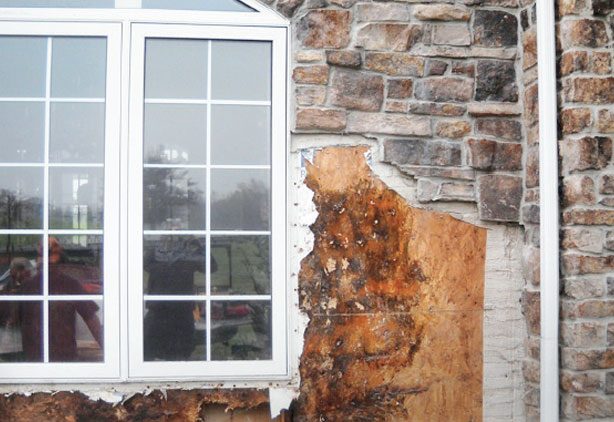

Silvermine’s patented flashing and fastening system is the only stone designed to keep water away from the wall. Other stone products are designed to route the toward the substrate, behind the stone. Watch this video to see the Silvermine difference.
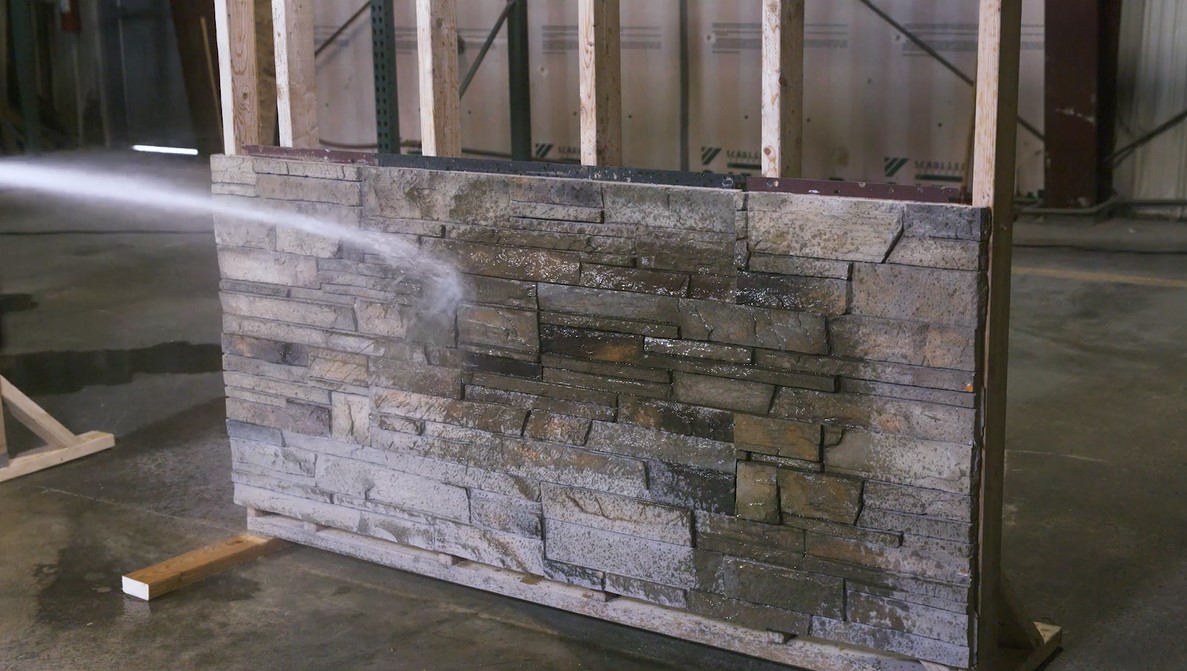

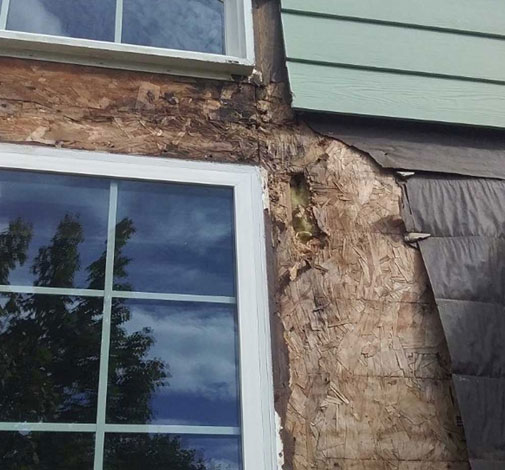

When installed properly by a certified mason, there is typically no concern.
But when a builder skips steps and takes shortcuts, gaps will remain, cracks will happen, and there will be pathways for water to penetrate into the wood structure.
There's no way to fix this issue without tearing everything off and starting all over.
Mold and mildew issues don't just affect old homes, when stone veneers leak, water is free to run behind the stone, down the wall, and potentially into the wall.
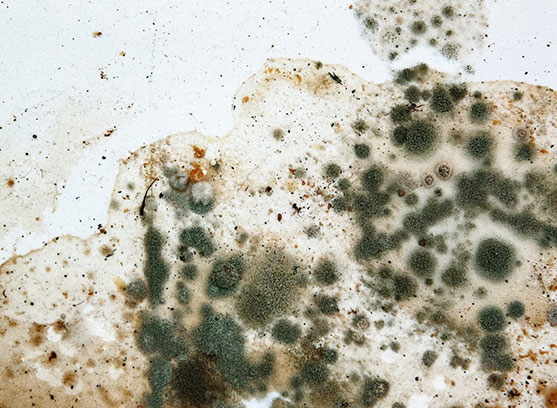
These damp, and dark environments are ripe for mold and mildew to propagate inside the wall of your house. Newly built homes can be at risk of potentially hazardous "infection" and failure, requiring expensive repairs or complete rebuilds.
Beyond the mold and mildew issues, water will follow the path of least resistance and in many situations the water can get to the wooden structure of house itself. This creates an opportunity for the wood framing can absorb the moisture, and the wall is able to rot from the inside.

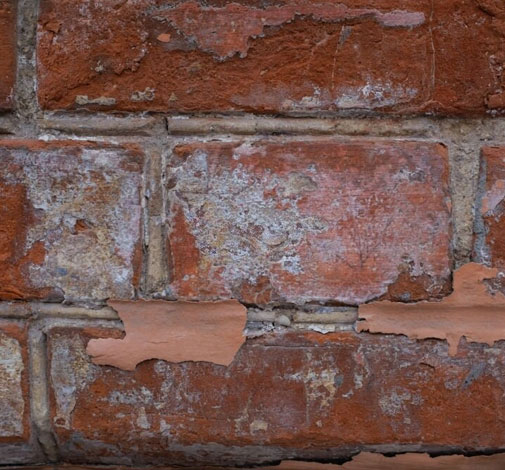
When water gets inside the outer cladding of your home in colder weather, it can freeze and expand
This can cause your siding to pop and break, creating more opportunities for further water to get in and cause more damage.

